
You’re doing everything right. You’re busy, you’re health-conscious, and you reach for that protein bar for a quick, “nutritious” boost. It’s packed with protein, right? It says “low-sugar” or “plant-based” on the wrapper. It must be better than a candy bar.
What if we told you that in many cases, it’s not?
The uncomfortable truth is that the multi-billion dollar protein bar industry has perfected the art of marketing candy as health food. They use clever labels and healthy-sounding buzzwords to hide a formula designed for addiction, not nourishment. Let’s pull back the curtain on your favorite bar and give you the power to choose truly healthy fuel.
The Problem: Decoding the Ingredient List of a Typical Bar
Don’t look at the marketing on the front. Let’s look at the science on the back. Here are the top offenders hiding in your “healthy” snack:
The Sugar Alchemy: A Dictionary of Deception
The goal is to make the sugar content look low on the nutrition label. To do this, manufacturers use a multitude of different sugar sources, so no single one appears in the top three ingredients. Look for these aliases for sugar:
- Rice Syrup / Brown Rice Syrup: A high-glycemic sweetener with minimal nutritional value. It’s essentially instant glucose.
- Tapioca Syrup / Organic Tapioca Syrup: Don’t let “organic” fool you. It’s another form of concentrated sugar.
- Cane Syrup / Cane Juice: Just sugar by another name.
- “Low-Glycemic” Evils: Sugar Alcohols like Maltitol, Sorbitol, and Xylitol. While they lower the net carbs, they are infamous for causing digestive distress. Think bloating, gas, and a laxative effect. Your gut is not happy.
The Protein Problem: “Isolate” and “Hydrolyzed”
Where is the protein coming from?
- Soy Protein Isolate: Often derived from genetically modified soy and heavily processed using hexane, a petroleum solvent. It’s a low-quality, inflammatory protein that can disrupt hormones.
- Hydrolyzed Proteins: This is a process that pre-digests the protein, making it absorb unnaturally fast. It also creates MSG-like free glutamates that can trigger cravings and overstimulate your nervous system.
The Inflammatory Oil Cocktail
Check for these cheap, processed oils that we’ve already exposed as inflammatory:
- Soybean Oil, Sunflower Oil, and especially Canola Oil. These are the backbone of the processed food industry and a primary source of inflammatory omega-6s in our diet.
The “Natural Flavor” Wild Card
The term “Natural Flavors” is a legal loophole. It can mean a substance derived from a natural source, but it’s often processed in a lab and can include chemical solvents and preservatives. It’s a proprietary blend you’re not allowed to know.
The Solution: How to Find or Make a Truly Healthy Bar
You don’t have to give up convenience. You just have to get smart. Use this two-step solution.
Step 1: Become a Label Detective (The 5-Second Rule)
Before you buy, run through this checklist. A truly healthy bar should pass with flying colors.
- The Sugar Rule: Less than 5-8g of sugar. And the sources should be simple: dates, honey, maple syrup, monk fruit, or stevia. Avoid the long list of syrups and sugar alcohols.
- The Protein Rule: Look for clean sources. Grass-fed whey protein, collagen peptides, egg white protein, or pea/rice protein blends (from a reputable brand). Avoid “soy protein isolate.”
- The Fat Rule: Healthy fats are your friend. The fat should come from nuts, seeds, coconut oil, or cocoa butter. Avoid “soybean,” “canola,” or “sunflower oil.”
- The Fiber Rule: Fiber should come from food. Look for nuts, seeds, chia, flax, or chicory root. Avoid highly processed fibers like “soluble corn fiber.”
- The “Short & Recognizable” Rule: The ingredient list should be short. If you can’t pronounce it or don’t have it in your own kitchen, you probably shouldn’t be eating it.
Step 2: Your “No-Excuses” Homemade Bar Recipe
The ultimate way to detox your snack game is to make it yourself. This recipe is simple, requires no baking, and is packed with real-food energy.
Simple Detox Nut & Seed Bars
- Prep Time: 10 minutes
- Set Time: 1 hour
Ingredients:
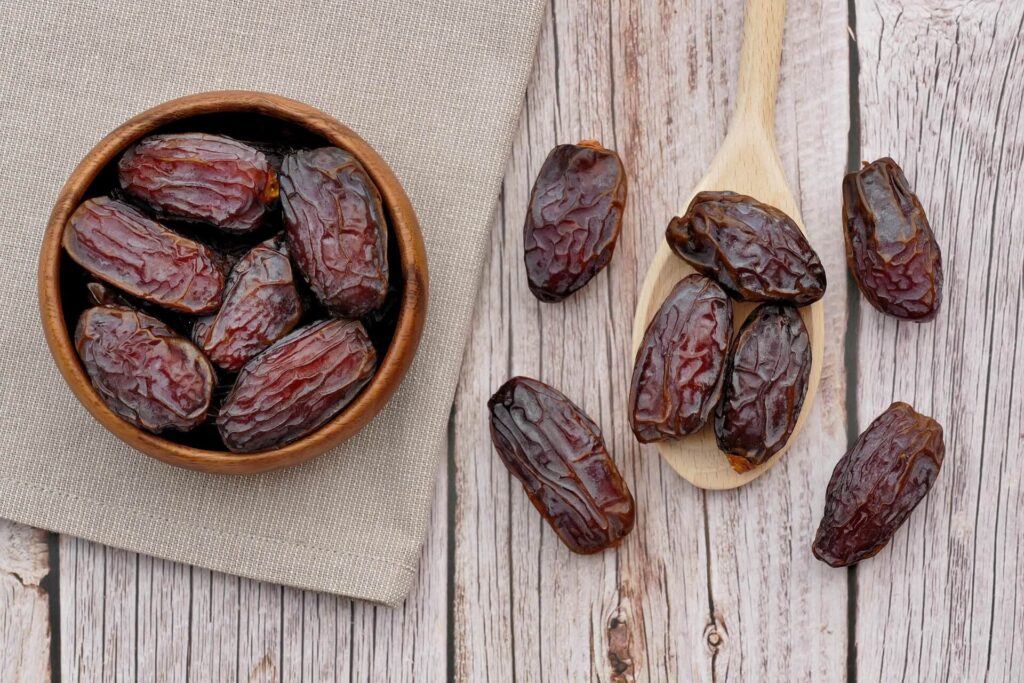
- 1 cup packed, soft pitted dates (natural sweetener and binder)
- 1 cup raw nuts (almonds, walnuts, or a mix)
- 1/2 cup raw seeds (pumpkin, sunflower, or a mix)
- 1/4 cup unsweetened shredded coconut
- 2 tablespoons nut or seed butter (almond, sunflower)
- 1 tablespoon coconut oil, melted
- 1 scoop collagen peptides or unflavored protein powder (optional, for extra protein)
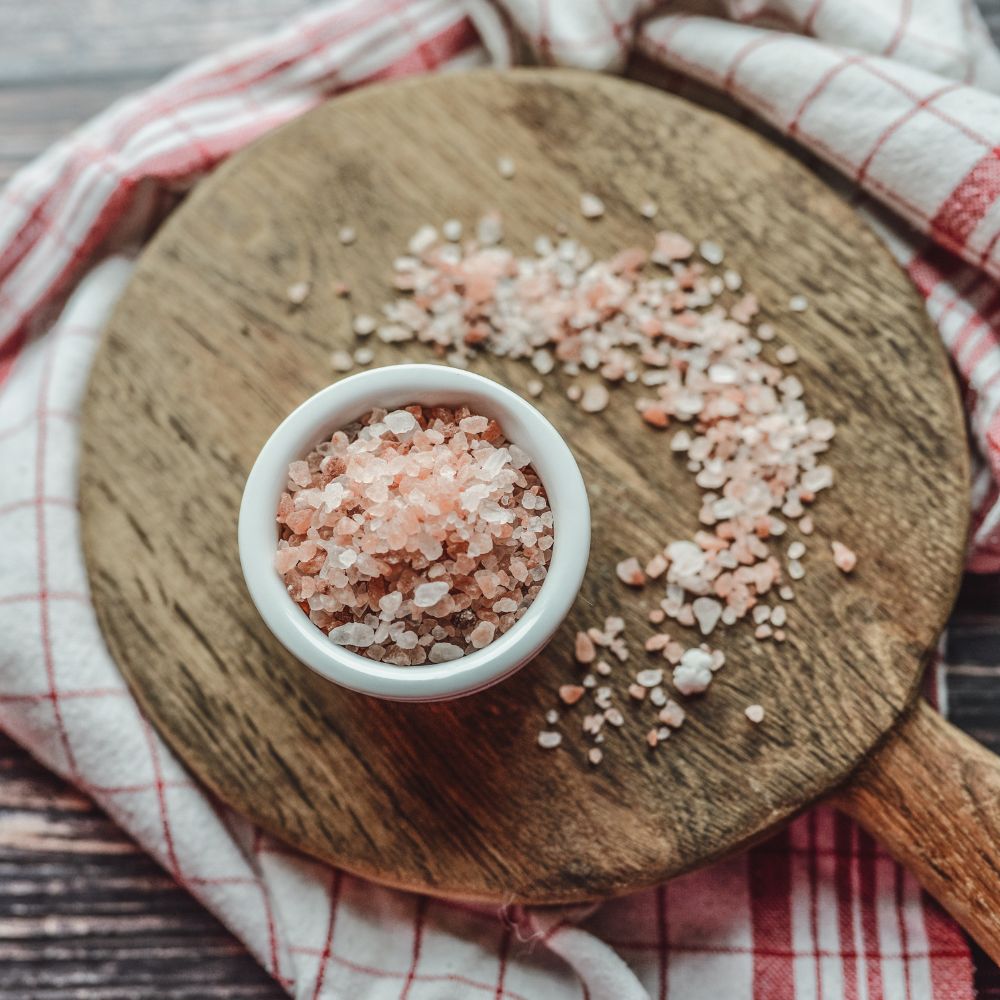
- Pinch of sea salt
Instructions:
- 1 cup packed, soft pitted dates (natural sweetener and binder)
- 1 cup raw nuts (almonds, walnuts, or a mix)
- 1/2 cup raw seeds (pumpkin, sunflower, or a mix)
- 1/4 cup unsweetened shredded coconut
- 2 tablespoons nut or seed butter (almond, sunflower)
- 1 tablespoon coconut oil, melted
- 1 scoop collagen peptides or unflavored protein powder (optional, for extra protein)
- Pinch of sea salt
The Bottom Line: You have the power to choose real food. The next time you’re tempted by a shiny wrapper promising health and fitness, flip it over and do your detective work. Better yet, spend 10 minutes making a batch of your own. Your body, and your gut, will thank you for swapping a disguised candy bar for a truly healing snack.
Ready to detox your entire pantry? Stay tuned as we dive deeper into the hidden toxins in your everyday foods.