
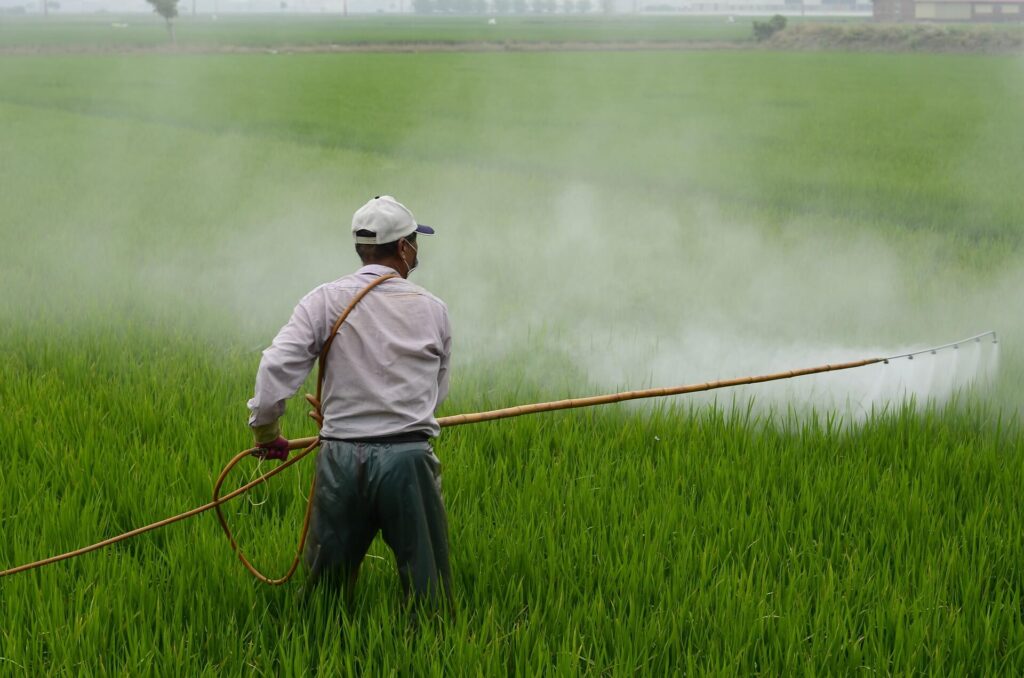
When you’re trying to eat healthy, the last thing you want on your plate is a cocktail of synthetic pesticides. But how do you navigate the grocery store without breaking the bank on 100% organic everything?
This is where the “Dirty Dozen” and “Clean Fifteen” lists become your most powerful tool. These lists aren’t based on fear-mongering; they are a data-driven roadmap, updated annually, to help you make smarter choices.
Let’s break down the science behind these lists and how you can use them practically.
The Source of the Data: Where Does This Information Come From?
Before we list a single fruit or vegetable, it’s crucial to understand the credibility of the source. The “Dirty Dozen” and “Clean Fifteen” lists are created by the Environmental Working Group (EWG), a non-profit organization.
The EWG’s methodology is transparent and rigorous:
USDA Testing: The EWG’s analysis is based on the results of over 47,000 samples of 46 different fruits and vegetables tested by the USDA Pesticide Data Program (PDP). The USDA peels, scrubs, and washes the produce exactly as a consumer would before testing it.
Six Key Metrics: The EWG ranks the produce based on six factors, including:
- The percentage of samples with detectable pesticides.
- The percentage of samples with two or more pesticides.
- The average number of pesticides found on a single sample.
- The maximum number of pesticides found on a single sample.
- The average amount (in parts per million) of all pesticides found.
- The total number of pesticides found on the crop.
This comprehensive analysis provides a clear picture of which items are most and least likely to carry pesticide residues.
The 2024 “Dirty Dozen”: Prioritize Buying These Organic
The following 12 items had the highest loads of pesticide residues, even after being washed. This list is a priority list. If you are going to buy any organic produce, start here to get the biggest bang for your buck.
- Strawberries
- Spinach
- Kale, Collard & Mustard Greens
- Grapes
- Peaches
- Pears
- Nectarines
- Apples
- Bell & Hot Peppers
- Cherries
- Blueberries
- Green Beans
Key Findings from the Data (The “Why”):
- Kale, Collard & Mustard Greens: A staggering 103 different pesticides were found across the samples. Over 90% of samples of these greens had residues of two or more pesticides.
- Bell & Hot Peppers: These contained a notably high concentration of neurotoxic organophosphate and carbamate insecticides. The EWG recommends always buying these organic.
- Green Beans: Samples showed residues of acephate, an organophosphate pesticide the EPA banned from use on green beans in 2011 due to health concerns, a clear example of persistent soil contamination.
The 2024 “Clean Fifteen”: The Safest Conventional Choices
These 15 items had the lowest amounts of pesticide residues, making them the safest options to buy as conventional produce if organic is not accessible or affordable.
- Avocados
- Sweet Corn*
- Pineapple
- Onions
- Papaya*
- Sweet Peas (Frozen)
- Asparagus
- Honeydew Melon
- Kiwi
- Cabbage
- Watermelon
- Mushrooms
- Mango
- Sweet Potatoes
- Carrots
*A Note on GMOs: A small amount of sweet corn and papaya sold in the U.S. is genetically modified. If you wish to avoid GMOs, buy organic varieties of these.
Key Findings from the Data (The “Why”):
- Avocados & Sweet Corn: Less than 2% of samples had any detectable pesticides. Their thick, inedible skins provide a natural barrier.
- Carrots & Sweet Potatoes: As root vegetables, they are protected by the soil they grow in, resulting in lower pesticide exposure.
Your Practical Action Plan: How to Use This Information
This data is not meant to make you afraid of fruits and vegetables. The health benefits of a produce-rich diet are undeniable. The goal is to empower you to reduce your pesticide intake intelligently.
- Use the “Dirty Dozen” as a Shopping List for Organic: When you’re at the store, let this list guide your organic purchases. This is the most effective way to reduce your overall pesticide load.
- Save Your Money on the “Clean Fifteen”: Don’t feel pressured to buy organic for these items. The conventional versions are a safe and budget-friendly choice.
- Wash All Produce, Regardless: Even “Clean Fifteen” items should be washed. Use cool running water and gently rub the surface. There is no need for special produce washes; studies show running water is equally effective.
- Don’t Stop Eating Produce: The worst thing you could do is avoid fruits and vegetables from the “Dirty Dozen” list because you can’t find or afford organic. Eating conventional produce is far healthier than eating no produce at all.
The Bottom Line: Empowered Choices, Not Fear
At Detox2Heal, we believe in providing you with clear, evidence-based information so you can make decisions that align with your health goals and budget. The “Dirty Dozen” and “Clean Fifteen” are not opinions; they are a direct reflection of USDA data.
By using this guide, you are not eliminating pesticides from your diet, but you are taking a powerful, proactive step to significantly reduce them. You are moving from a place of confusion to a place of confident, informed choice.
Source: Environmental Working Group. (2024). 2024 Shopper’s Guide to Pesticides in Produce™. Retrieved from EWG.org