If you’ve ever opened your blood test report and felt like you were reading another language, you’re not alone. Between the abbreviations, numbers, and “reference ranges,” it can look more like code than insight. But those results are your body’s report card, and once you know what to look for, they tell a powerful story about how you’re really doing inside.
Why do we test our blood?
Blood tests aren’t just about diagnosing disease. They’re early warning systems. Subtle shifts in your levels can show inflammation, nutrient gaps, hormonal imbalance, or liver and kidney strain, long before symptoms arise. Learning to read your blood tests helps you spot patterns and make smarter choices for your health through diet, lifestyle and as a lost resort, medical intervention.
The key markers
Here’s what most standard tests include and what they’re roughly telling you:
Complete Blood Count (CBC): Measures your red and white blood cells and platelets. Low red cells can suggest anemia or nutrient deficiency; high white cells can point to infection or stress.
Metabolic Panel: Checks kidney and liver function, electrolytes, and blood sugar. Elevated liver enzymes (ALT, AST) might signal detox load or medication stress.
Lipid Profile: Shows your cholesterol balance. These are HDL (“good cholesterol”), LDL (“bad cholesterol”), and triglycerides. Ratios often matter more than single numbers.
Thyroid Panel: Assesses energy regulation and metabolism. Borderline results can still cause fatigue, mood shifts, and weight changes.


Interpreting Results in Context
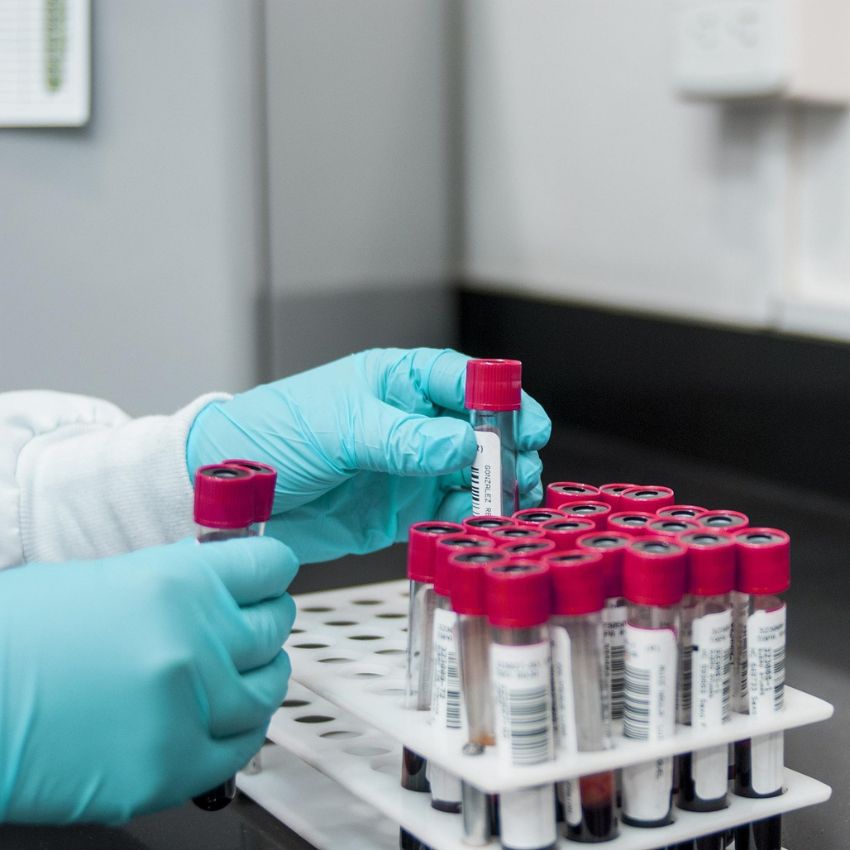
Don’t read numbers in isolation. Labs use “reference ranges” based on population averages. They are not necessarily what’s optimal for you. One person’s “normal” can be another’s red flag. The real power comes from tracking trends over time. If your vitamin D is dropping every year or your inflammation markers inch upward, that’s useful data, even if everything’s technically “within range.”
“Lab results are a snapshot, not the full story. Reference ranges are averages . What’s ‘normal’ for most people might not be ideal for you. Tracking trends over time reveals more than a single reading ever could. A slow drop in vitamin D or a creeping inflammation marker is your body signaling something needs attention, even if it still falls ‘within range.’ Listening to these patterns gives you a head start on prevention and balance.”
detox2heal
The Mind-Body Connection
Stress, poor sleep, and emotional strain can nudge your numbers too. Cortisol affects blood sugar, chronic anxiety can alter immune markers, and burnout can mimic thyroid issues. That’s where the detox2heal philosophy comes in, which is looking at the whole picture: your diet, your mind, your rest, and your environment and even what you consume with your senses.
Turning Knowledge into Action
Once you spot imbalances, focus on gentle correction, not panic. Support liver function with real food, such as leafy greens, cruciferous vegetables, and hydration. Boost your gut with fermented foods. Recheck key panels every six to twelve months and keep copies of your results. The goal isn’t perfection. It is awareness and balance.
Bottom Line
Your bloodwork isn’t something to fear or ignore. It’s your body communicating in numbers. Learn the language, and you can respond before crisis hits. When you detox your body and mind, you don’t just heal. You evolve.